
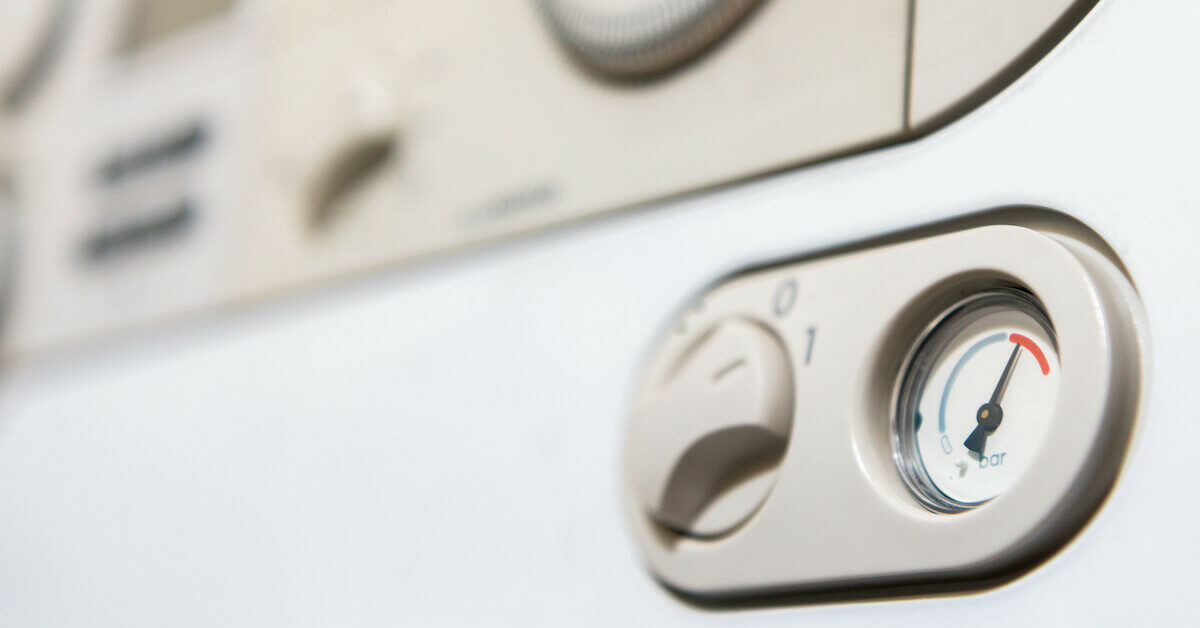
Why Is My Boiler Leaking Water?
A boiler leaking water is never a good sign. Even a small leak can put strain on your central heating system and, if left unresolved, lead to costly water damage within your property.
Around 80% of UK homes depend on gas boilers to stay warm through winter. But with an average lifespan of just 10-15 years, wear and tear is inevitable – and issues like boiler leaks often appear when maintenance has been overlooked.
Sometimes the problem is easy to spot – you might see water dripping from the boiler or pooling underneath. In other cases, leaks can be harder to trace, requiring a closer inspection to find the source and understand what’s causing it.
We’ll explain the most common reasons why your boiler may be leaking water, how serious the issue could be and the safest next steps to take before calling in professional assistance.
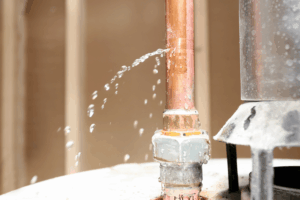
Why Is My Boiler Leaking Water?
A boiler leaking water can happen for several reasons and identifying the cause early can help prevent further damage. Below are some of the most common reasons why your boiler might be leaking – and what they could mean for your system.
- High Pressure
If your boiler pressure is too high, the system may start leaking water to release the excess and protect internal components. Most boilers are designed with a pressure relief valve to prevent damage, so a small leak around this area can indicate that your boiler is working to stabilise itself.
However, if the pressure continues to rise or the leak persists, it’s important to call a qualified professional to inspect it safely.
- Corrosion or Wear and Tear
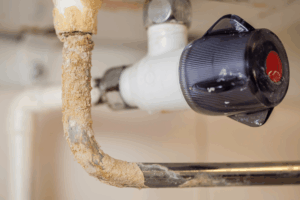
Over time, components inside your boiler, such as pipes, joints and the tank itself, can corrode or deteriorate through general wear and tear. As the metal weakens, small holes or cracks may form, allowing water to escape from the boiler.
Corrosion is a common issue in older systems and is often a sign that your boiler or specific parts may need repairing or replacing.
- Loose Joints or Connections
As your boiler heats up and cools down, the constant expansion and contraction of metal components can cause joints and connections to loosen over time. When this happens, water may start leaking from the affected areas.
In most cases, this is a minor issue that can be resolved by tightening or resealing the joints – but if the problem keeps recurring, it may point to a deeper fault within the system that requires professional attention.
- Pump or Pipe Seal Issues
If the seals around your boiler’s pump or pipe joints are worn, damaged or not fitted correctly, water can leak from the affected areas. These issues often develop due to age-related wear or poor installation, causing seals to lose their ability to hold pressure effectively.
Replacing the damaged seals or refitting the joints usually resolves the problem, but if leaks continue, it’s best to have a qualified professional check for underlying faults within the system.
What Are the Signs of a Boiler Leaking Water?
Some signs of a boiler leaking water are easy to spot, while others can be more subtle. A visible drip or puddle beneath your boiler is the most obvious indicator, but there are other clues to watch out for too.
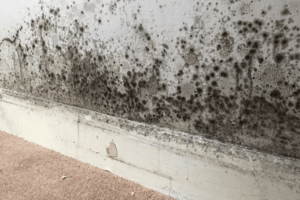
Keep an eye on your boiler’s pressure gauge – if the pressure drops unexpectedly, it could suggest a hidden leak somewhere in the system. You should also check the surrounding area for water stains, damp patches or signs of mould, as these often appear when moisture escapes over time.
If you notice any of these symptoms, it’s best to investigate promptly or contact a qualified professional to prevent further damage or inefficiency.
How to Detect a Boiler Water Leak
If you’ve noticed signs of moisture or dampness but aren’t sure whether your boiler is leaking water, it’s important to pinpoint the source accurately before attempting any repairs.
Professional leak detection specialists, such as Rainbow Restoration, use advanced technology to locate leaks without unnecessary disruption or damage. Common boiler leak detection methods include:
- Thermal imaging – to identify heat variations caused by escaping hot water.
- Acoustic testing – to listen for sound frequencies produced by hidden leaks.
- Tracer gas – a safe, non-toxic gas used to detect leaks in concealed pipework.
- Pipe tracing – to map and locate buried or hidden pipes for targeted investigation.
These techniques can confirm exactly where the leak originates and whether your boiler – or another part of your plumbing system – is responsible.
How to Detect a Boiler Water Leak
If you notice or suspect a boiler water leak but aren’t sure where it’s coming from, it’s best to get professional help to locate the source. Specialists, like the team at Rainbow Restoration UK, use advanced leak detection equipment and techniques to accurately trace hidden leaks without causing unnecessary damage.
This technology pinpoints the exact location of the problem – confirming whether your boiler is the cause or if the leak originates elsewhere in your plumbing system.
How to Fix a Boiler Leaking Water
In most cases, fixing a boiler that’s leaking water is a job best left to a qualified heating engineer. However, if you have some basic DIY knowledge, you may be able to carry out minor checks or temporary fixes safely.
If you can see water dripping from a visible joint, pipe or fitting, start by drying the area thoroughly before gently tightening the connection. For very small leaks, some people use leak sealant additives designed to form a protective seal within the system – though these should only ever be considered a short-term solution.
If you’re unsure or if the leak continues, always call a professional. Attempting to repair a boiler without the right tools or expertise could make the problem worse and may even void your warranty.
How to Avoid a Boiler Water Leak
Most boiler water leaks occur due to general wear and tear, poor installation or lack of maintenance. The best way to prevent them is through regular servicing by a qualified heating engineer.
During a service, your engineer will check for signs of corrosion, loose joints, failing seals and other issues that could eventually cause a leak. Identifying and fixing these early helps to keep your boiler running efficiently, extend its lifespan and reduce the risk of costly water damage in the future.
How Rainbow Restoration UK Can Help
Even a small boiler leak can lead to costly damage in your home – from unsightly marks and damp patches to serious structural issues if left untreated.
The good news is that Rainbow Restoration UK’s water damage specialists are here to help. Using advanced drying and specialist cleaning equipment, our experts restore your property safely and efficiently, returning it to a clean, dry and hygienic condition while minimising any secondary damage.
With branches located across the UK, our teams are never far away – on average just 23 miles of any postcode. Reach out to your local Rainbow Restoration UK branch to get professional help and peace of mind after a boiler leak.
Contact us today or call our 24-hour national helpline, available 365 days a year, on 01624 422 488.
Frequently Asked Questions
Why Is My Boiler Leaking Water from Underneath?
If you notice water leaking from underneath your boiler, it’s usually a sign of an issue within the pipework. Over time, these pipes can become corroded or weakened, allowing water to escape.
However, corrosion isn’t the only cause. Leaks beneath your boiler can also result from high system pressure, loose joints or damaged seals that have started to fail. Identifying the exact source can be tricky, so if you’re unsure, it’s best to have a qualified technician or engineer carry out an inspection before further damage occurs.
Is a Leaking Boiler Dangerous?
Yes – a leaking boiler can be dangerous if left unresolved. Escaping water has the potential to cause electrical hazards, particularly if it comes into contact with internal wiring or nearby sockets.
Over time, persistent leaks can also create damp conditions that encourage mould growth, posing hygiene and health risks within your home. If you suspect your boiler is leaking, it’s safest to switch it off and contact a qualified heating engineer as soon as possible to assess the problem.
Does a Leaking Boiler Cause Low Pressure?
A boiler leaking water will almost always lead to low pressure over time. When water escapes from the system, the overall pressure drops, which can cause your boiler to shut down or work less efficiently.
If you notice a sudden drop on your boiler pressure gauge, it’s worth checking for visible signs of a leak or calling a heating engineer to locate and fix the issue safely.
Should I Turn My Boiler Off if It’s Leaking?
If your boiler is leaking water, you should turn it off immediately. Start by switching off the boiler’s electricity supply to reduce the risk of electric shock, then turn off the water supply lines to stop any further leakage.
Avoid using the boiler again until it has been checked professionally, as continued operation could worsen the leak or cause internal damage.
Why Is My Boiler Leaking from the Overflow Pipe?
If your boiler is leaking water from the overflow pipe, it usually means the system pressure is too high. This often happens when the expansion vessel has failed or lost its air charge, preventing it from absorbing the extra pressure that builds up during heating.
Another common cause is a faulty or dislodged pressure relief valve, which allows excess water to escape through the overflow pipe as a safety measure. In either case, it’s important to have a qualified technician or engineer to inspect the system to reset or replace the affected components and prevent further leaks.
Updated: 06/11/25