

Snow Warning – Our Tips for Preparing Your Property
With snow, heavy rain and strong winds common across the UK during winter, severe weather can put your home at risk. From frozen pipes and water ingress to structural strain and heat loss, winter storms can cause disruption, discomfort and costly damage if properties aren’t properly prepared.
You can prepare your home from snow warnings and whatever winter brings by following these simple, affordable steps recommended by disaster recovery experts at Rainbow Restoration UK. Drawing on real-world experience responding to winter-related property damage, these practical tips are designed to help keep your home warmer, reduce the risk of weather-related issues and support lower heating costs throughout the colder months.

Understanding the Different Types of Weather Warnings
The UK’s Met Office issues weather warnings using a colour-coded system to indicate the likelihood and potential impact of severe conditions. These warnings fall into three categories: yellow, amber and red, helping households understand the level of risk and take appropriate precautions.
Yellow Snow Warning
A yellow snow warning is the most commonly issued and indicates a low risk of impact. While disruption is usually limited, such as minor travel delays, snow and freezing temperatures can still affect daily routines for some households.
Even during a yellow warning, property-related issues can occur. Freezing conditions increase the risk of burst pipes, minor water ingress and heating issues, so it’s sensible to take basic preventative measures to protect your home.
Amber Snow Warning
An amber snow warning should be taken seriously, as it indicates a higher likelihood of significant disruption. This can include severe travel delays, power cuts and an increased risk of property damage, particularly from prolonged freezing temperatures, snow accumulation and ice.
At this level, it’s important to actively prepare your property and review your plans. Non-essential travel should be reconsidered where possible and steps should be taken to reduce risks to your home, especially if the property may be left unoccupied.
Red Snow Warning
A red snow warning is the most severe level issued and indicates a high risk of widespread danger, major disruption and serious impacts to health, infrastructure and property. Conditions at this level can be life-threatening, with prolonged disruption expected across transport, utilities and essential services.
During a red warning, it’s advised to remain at home wherever possible and follow guidance issued by the emergency services and local authorities. Only essential movement should be considered and additional precautions should be taken to safeguard your property and personal safety.
How to Stay Alert to UK Snow Warnings
Many people stay informed through local news, social media or radio updates. However, for the most reliable and timely information, it’s also worth enabling weather alerts directly on your smartphone or signing up for email notifications from the UK’s national weather service, the Met Office.
These alerts provide early warning of changing conditions in your area, helping you take action sooner and prepare your property before severe weather arrives.
5 Steps to Prepare Your Property for Snow
Clean Your Gutters to Help Prevent Water Entering Your Property
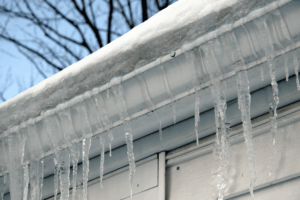
Remove leaves, moss and other debris from your home’s gutters so winter rain and melting snow can drain away properly. When gutters or downpipes become blocked, water can back up and freeze, forming ice dams that force moisture into the roofline or internal walls.
Whilst clearing the gutters, check for leaks, cracks or misaligned joints. It’s also important to ensure downpipes discharge water well away from the property’s foundations, as pooling water can lead to flooding, damp ingress or longer-term structural issues.
Prevent Frozen Pipe Damage
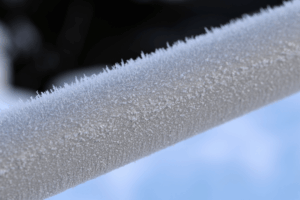
Burst pipes caused by freezing temperatures can cause significant disruption and costly water damage. Before winter sets in, inspect all pipework to ensure it is adequately insulated, paying particular attention to unheated or rarely used areas such as lofts, garages and outbuildings.
Pipes can be protected using pre-formed foam sleeves or fibreglass insulation, which are widely available from DIY retailers. In areas at higher risk of freezing, such as external pipe runs, additional protection like thermostatically controlled heating tape can provide extra reassurance during prolonged cold spells.
Improve Property Insulation
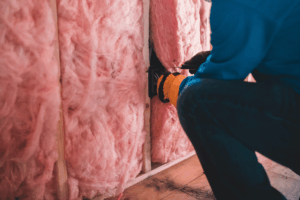
Upgrading your insulation may involve an upfront cost, but it can deliver long-term savings by reducing heat loss and lowering energy bills. Poor or insufficient insulation allows warm air to escape through the roof, forcing heating systems to work harder to maintain a comfortable indoor temperature.
Over time, loose-fill insulation can settle and leave gaps around the tops of walls and roof junctions – areas where heat loss is most likely to occur. Ensuring insulation is correctly installed and evenly distributed helps retain warmth more effectively and improves overall energy efficiency during colder months.
Dodge Draughts
Draughts can account for a significant amount of heat loss in a property, with estimates from Historic England suggesting they may contribute up to 20% of wasted heat loss. Fortunately, there are simple, low-cost steps you can take to reduce this loss and improve comfort during colder weather.
Gaps around doors can be addressed by using a draught excluder or making your own – a rolled bath towel placed along the base of a draughty door can be surprisingly effective. Alternatively, fabric draught snakes filled with sand or cat litter provide added weight and durability.
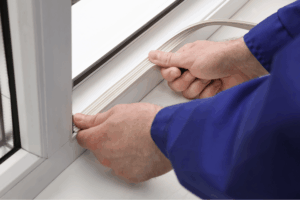
Draught-proofing strips for windows and doors are also widely available from DIY retailers and can be particularly effective for older or single-glazed windows, helping to reduce heat loss and lower fuel bills.
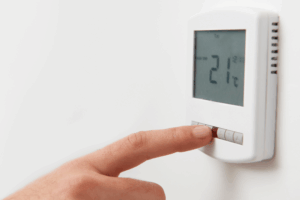
Mind the Thermostat
It’s easy to forget to adjust the heating when leaving the house, but doing so is one of the simplest ways to reduce energy costs. Historically space heating has been found to account for around 70% of total energy use, so avoiding unnecessary heating can make a noticeable difference to monthly bills.
Rather than switching the system off entirely, keep the heating set to a low, consistent temperature when the property is unoccupied. This helps protect pipework from freezing while avoiding the cost of heating empty rooms.
Where to Turn to For Help
Established in 1987, Rainbow Restoration UK provides specialist disaster restoration and commercial cleaning services to domestic, commercial and industrial customers across the UK.
Customers rely on Rainbow Restoration UK to mitigate damage and restore properties and contents following distressing and destructive incidents. Our focus is on stabilising affected environments quickly and safely, helping to limit secondary damage and support an efficient return to normal use.
If your home is affected by water damage, whether from burst pipes, plumbing leaks or flooding, the teams at Rainbow Restoration UK are experienced in managing the situation from initial mitigation through to full restoration. Working efficiently and with care for occupied properties, we aim to return homes to their pre-incident condition while minimising disruption wherever possible.
Every incident presents its own challenges, and our approach is focused on applying the right technical solution for the specific circumstances.
You can contact us online or call our 24-hour helpline on 01623 422 488, available 365 days a year.
Updated: 24/12/25