
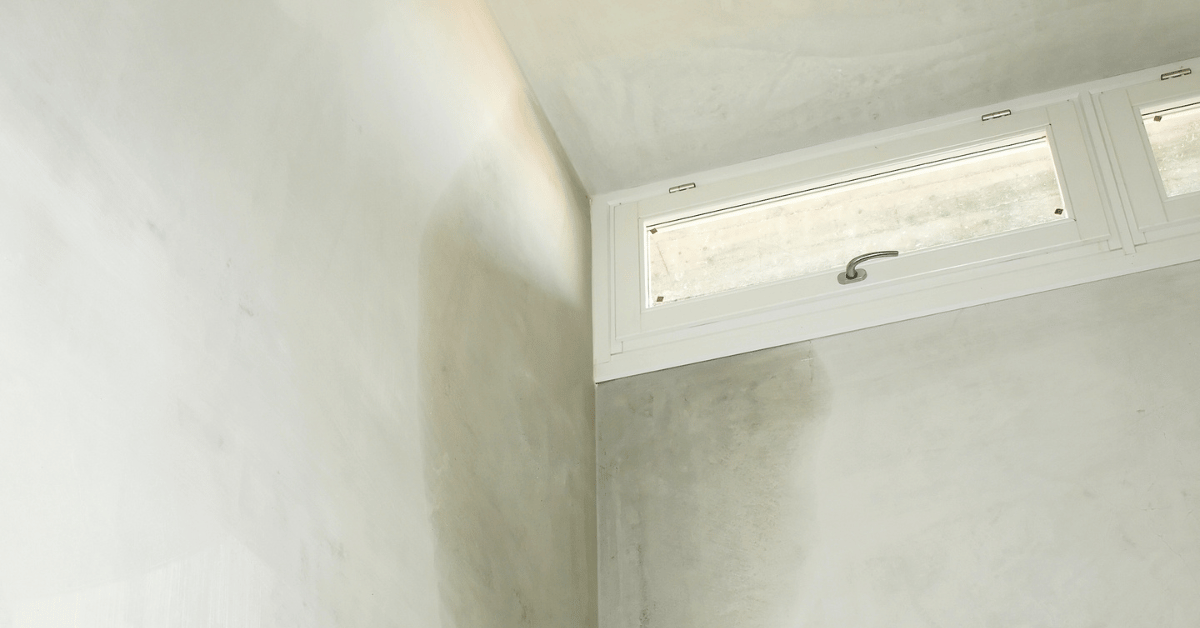
How To Treat Damp Walls
Understanding how to treat damp walls can be the difference between a minor inconvenience and a costly, disruptive repair. Damp issues rarely resolve on their own and often worsen if left unchecked, so early identification is essential. The first step is recognising the warning signs, which commonly include:
- Condensation on walls or windows
- Mould growth, particularly in corners or behind furniture
- Persistent musty or earthy smells
- Visible damp patches on walls or ceilings
- Discolouration or tide marks on plaster
- Curling, peeling or bubbling wallpaper
- Stained or deteriorating skirting boards
Without the right damp wall treatment, a comfortable living space can quickly become a health risk. Damp can affect indoor air quality, encourage mould growth and damage building materials over time.
With over 2 million people in the UK currently living in damp and mouldy conditions, it is an issue many will encounter at some point in their lifetime.
To address the problem effectively, it’s important to understand what causes damp, how it can be prevented and the practical steps to take if you’re already experiencing damp-related issues.
How To Treat Damp Walls Quick Links
- What Causes Damp Issues?
- How to Treat Damp Problems
- What Should I do if I Have Damp Walls?
- Professional Damp Diagnosis & Remediation
- Frequently Asked Questions
What Causes Damp Issues?
Damp walls can develop for a number of reasons, as moisture can enter a property from both internal and external sources. Identifying the source is essential, as different causes require different treatment approaches.
Let’s take a look at the conditions that lead to damp issues:
- Condensation
If you’re experiencing dampness, condensation is a common cause. It occurs when warm, moisture-laden air inside the property comes into contact with cooler surfaces, causing the moisture to condense into liquid. Walls, windows and other cold surfaces are often the first areas affected. - Penetrating damp
Damp issues inside the home can originate from external sources. Penetrating damp occurs when rainwater enters the property through the building fabric, allowing moisture to pass through external walls and into internal surfaces.
Over time, this moisture is absorbed by materials such as brickwork and plaster, leading to visible damp patches and deterioration. - Rising damp
Ground moisture around a property is common, but without effective damp-proof protection, this moisture can travel upwards through the building’s structure. Known as rising damp, it occurs when groundwater is drawn up through walls by capillary action, leading to dampness affecting internal walls, plaster and skirting boards.
How To Treat Damp Problems
If damp issues are identified early, they can often be managed using straightforward treatment methods and preventative measures to limit further damage. Acting promptly can help reduce repair costs and prevent damp from affecting the appearance, condition and safety of your living environment.
How To Treat Damp Internally
Condensation-related damp can often be reduced through consistent, everyday actions around the home. Improving ventilation is key, particularly in high-moisture areas such as kitchens and bathrooms, where extractor fans and regular window opening help moisture escape.
Maintaining steady, even heating throughout the property can also reduce condensation by preventing internal wall surfaces from becoming cold.
How To Treat Damp Externally
Preventing external damp starts with regular maintenance of the building exterior. Clearing moss, leaves and debris from gutters and roof areas helps ensure rainwater is directed away from the property, reducing the risk of water penetrating the walls.
Maintaining the external fabric of the building, alongside measures such as insulating cold walls, can also help limit the effects of penetrating damp by reducing moisture transfer into internal surfaces.
What Should I Do If I Have Damp Walls?
If everyday preventative measures are no longer effective, it may be necessary to take more targeted action to address the affected areas. Here are some suggested next steps:
- Use appropriate black mould removal treatments and apply a damp seal where required
- Repair, protect or repoint external masonry to reduce moisture penetration
- Install damp-proof courses or damp-proof membranes to address rising damp
These procedures are often beyond the scope of most DIY work, so seeking professional support is strongly recommended. Incorrect treatment can pose safety risks and may cause further damage to the property, leading to avoidable repair costs.
A qualified professional can accurately identify the underlying cause of damp and implement appropriate solutions, helping to avoid repeated treatments that fail to deliver a long-term fix.
Professional Damp Diagnosis & Remediation
If preventative measures are not resolving the issue, Rainbow Restoration UK can provide professional support. Our specialists carry out thorough damp diagnostics to identify the source of moisture affecting walls and floors, rather than treating symptoms alone. Based on these findings, we develop a clear, targeted plan to address damp issues and remediate any harmful mould, helping to deliver a lasting solution.
Our experienced teams work efficiently and respectfully, minimising disruption while restoring your home to a healthier condition. If you’re dealing with the effects of damp walls and need professional support, please get in touch to discuss how we can help.
Frequently Asked Questions
- Can you treat damp without removing plaster?
In some cases, damp can be treated without removing plaster using methods such as damp-proof course injections, waterproof membranes, and air movers or air scrubbers to address mould spores. However, where plaster has deteriorated due to salt contamination or trapped moisture, removal is often necessary to prevent further damage. - How To Stop Damp Coming Through Brickwork
Damp coming through brickwork is typically caused by rainwater penetrating the building fabric or by groundwater rising through the property’s foundations, otherwise known as rising damp . A specialist can identify the underlying cause and recommend appropriate treatment and solutions, such as damp-proof course (DPC) injections or the installation of waterproof membranes. - When Should I Worry About Damp Walls?
Damp walls should be addressed as soon as they are noticed, as they are usually a symptom of an underlying issue rather than a standalone problem. Causes such as faulty gutters, leaking pipework or structural defects can allow damp to worsen over time and potentially develop into a health risk if left untreated. - Does Having The Heating On Help With Damp And Mould?
Using central heating can help reduce minor condensation and lower the risk of mould by keeping internal surfaces warmer and preventing leaks from burst frozen pipes . However, it should be used alongside other measures such as adequate ventilation, regular cleaning, ongoing inspection and maintenance of roofs, mortar and foundations, and the use of dehumidifiers where appropriate. - Will A Dehumidifier Stop Mould?
Dehumidifiers, ranging from small domestic units to industrial equipment used in professional mould remediation, can help reduce moisture levels and limit mould growth. However, if damp or condensation is being caused by an underlying structural or ventilation issue, the source must be addressed and appropriate sterilisation measures used to fully eradicate mould spores and associated health risks. - How To Trace The Source Of Damp?
If the source of damp is not visible, a specialist can use moisture and humidity meters alongside imaging equipment such as endoscopes or borescopes to investigate concealed areas. These tools provide accurate readings, with higher moisture levels typically indicating the point at which the damp is entering the property.
Updated: 06/01/2026