

Underinsurance Explained – How it Affects Your Property and Proactive Measures for Prevention
Startling statistics from 2021 suggest that up to 80% of UK properties may be underinsured, with one study finding the average cover falls short at only 43% of the settlements actual value. This highlights the need to raise awareness about the potentially devastating consequences of underinsurance for businesses and homeowners facing the looming threats of disaster or destruction.
So what exactly does underinsurance entail in the context of property claims and what measures can be taken to prevent it?
What is Underinsurance?
Insufficient coverage, commonly known as ‘Underinsurance,’ occurs when a policyholder’s insurance settlement falls short of providing complete compensation for damage or loss to their property – leaving them vulnerable and accountable for the financial responsibility of rebuilding, repairing, or replacing the structure and its contents. Underinsurance can stem from insufficient indemnity limit (the pre-agreed financial cover) or specific exclusions outlined in the policy.
The amount a policyholder is underinsured by is typically measured by the difference between the coverage obtained and the Building’s Declared Value (BDV) – an insurance term relating to the actual compensation required to address restoration costs. However, there are some situations in which an insurer may decide to lower the pay-out even further.
Basic property and home insurance often includes two types of cover;
- Buildings Insurance – often covering structural damage, fixtures, external damage and alternative accommodation.
- Contents Insurance – often covering personal belongings & valuables, stock & equipment, accidental damage and theft & loss.
Some insurers may offer added extras, such as bespoke flood insurance for commercial properties that covers business interruption during the restoration period.
Both domestic and commercial property owners are required to submit initial estimations of value when taking out a policy. They are then required to maintain and update these records to reflect the current value of both the property and its contents.
Premiums are determined by assessing the level of risk of a claim has to the insurer, with the policy cost designed to cover this risk from the insurer’s standpoint.
The responsibility for underinsuring can arise from either a policyholder’s inaccurate assessments or the insurer’s unfair representation or mis-selling of the policy. In some cases estimations may have been incorrectly calculated or the original estimations provided may be out of date due factors such as inflation or increase in stock.
The complex legal language and the time-consuming challenges involved in securing an insurance policy can often lead individuals to overlook and neglect a thorough review of their policy documents. This oversight may result in a limited understanding of the full extent of their coverage.
In some instances policyholders may intentionally undervalue the cost of re-build or replacement of property to save on insurance premiums. However, this may result in the actual restoration costs being far higher than the claim settlement.
The Risks of Under-Insuring
In the case of Disaster Recovery and Restoration, property insurance can offer financial protection against the destruction caused by natural disasters such as fires, storms and floods, as well as other unforeseen events.
If you are not covered under your insurance, your insurer may underpay based on your initial estimations submitted at the time you took the policy out, or potentially void your policy under the pretext that you have not provided accurate or honest estimations of the value of cover at the time you took out the policy.
The Average Clause
Some policies have a specific underinsurance clause, such as the ‘Average Clause’, which may reduce the insurers compensation pay-out proportionally to the amount the claim was underinsured.
For example, in the case where a contents claim is evaluated by the insurer at £100,000, but the policyholder only took out £50,000 worth of cover, the policyholder would be underinsured and the Average Clause could come in to effect. As the policy was underinsured by 50%, the insurer would only be liable to pay the same percentage of the policyholder’s initial evaluation, leaving them with just £25,000 in compensation.
This clause was put in place by insurers to encourage policyholders to declare accurate and honest assessments when taking out their policy. Unfortunately this means that those who unintentionally provide incorrect evaluations based on their own negligence or discrepancy, may also be stung by the Average Clause.
The Impact on Restoration and Recovery Efforts
If your insurer decides not to fulfil your claim, you will be left without financial support when re-building or restoring your property.
For many, this will mean significant delays to restoration efforts, increased costs due to secondary damage from leaving the property in disrepair and even more time spent away from your home if you require alternative accommodation. For those with commercial properties, this can delay re-opening of business and put profits at risk.
The Importance of Professional Assessment
The safest way to determine the appropriate level of coverage is through a professional assessment from an accredited and qualified building surveyor. Whilst this does involve an initial cost, it will mitigate the risks involved in completing your own assessment.
It is important to remember reassessment may be required if the value of your property or contents has increased.
The Association for British Insurers’ BCIS Rebuilding Cost Guidance provides a wealth of information and calculator to help assess rebuild costs to houses and flats. If in any doubt, stay in communication with your insurer and reach out to the bodies linked throughout this article for further guidance on how to use their resources.
Common Underinsurance Scenarios
The Financial Ombudsman showcases a variety of real life scenarios in which a policyholder felt that the underinsurance assessment was unfair.
One example explains how a gentleman was provided with an online financial calculator to assess the value of his property. The policyholder did not use the calculator due to his lack of experience with computers and the ombudsman therefore determined that the insurers were within their rights to not fulfil the claim as he did not utilise the support and resources provided.
In contrast one couple were not given the opportunity to make an estimation of their contents value and therefore had chosen a level of cover that was unsuitable for their property. On this basis the underinsurance clause was dismissed as the insurers did not provide enough guidance to the policyholders at the time the policy was taken out.
These scenarios go to show how vital it is to read your guidance and terms of your policy documents in full and to be diligent when taking out a new policy. Choosing well-rated and reputable insurers is crucial to minimise the risk of being mis-sold insurance.
Who regulates the General Insurance Industry to Ensure Fair Treatment?
For individuals who believe they have been mis-sold or mislead during the purchase of their policy, there is a regulatory framework in place to provide a level of protection to the policyholder. The onus is on the insurance company to be upfront about how much they’ll pay out for a building or contents claim and what limits the policy has.
General Insurance is authorised in the UK by the Prudential Regulation Authority (PRA) and regulated by the Financial Conduct Authority (FCA) and the Prudential Regulation Authority. These bodies have the authority to take enforcement actions against insurers who are not compliant with the regulations.
Policyholders in this situation can contact the Financial Ombudsman for support. Each claim will be reviewed, including how the policy was initially sold by the insurer, to ensure the policyholder was given sufficient information on the scope of the insurance to make an informed purchase.
How to Protect Your Property from Being Underinsured
The following points provide a foundation for the essential steps to follow when obtaining or updating an insurance policy.
- Ensure you meticulously examine the level of insurance required to cover rebuilding your property and replace its contents ‘new for old’ where advised. Utilise professional accredited services to mitigate the risks of completing the assessment yourself.
- Update the value of your property and belongings or stock to ensure they reflect the current market value of your assets. This includes technology updates, increased stock, property renovations or additional valuables.
- Read your policy in full, review it annually and utilise your insurer to ensure your cover is updated to reflect your evolving business or livelihood. This may include economic fluctuations (such as the impacts of Brexit & Covid19 etc.), home improvements and changes in circumstances.
- Extend your indemnity period to provide sufficient coverage for recovery. Whilst some properties and businesses recover quickly, there may be instances where restoration efforts may be extended due to factors such as poor weather, planning permissions and permits.
Domestic homeowners may want to consider surplus coverage for unforeseen events or personal liability insurance. - Introducing protective measures into your home or business could potentially reduce your insurance premiums, whilst also reducing the risk of destruction to your property. You could install CCTV, smoke alarms, flood defence and other safety and security measures to prevent or lessen the need for compensation.
- Ensure your insurance limits provide sufficient coverage for your home or business needs. Some policies will have set levels of financial cover but may require you to provide evidence that the value for restoration and replacement of property reaches the maximum indemnity limit to claim the full figure.
It is important to understand that, just because your policy limit is set at a certain amount, does not mean your insurer will pay out this entire sum when you make a claim. The level of compensation you receive will be based on actual loss. - Always adjust for inflation where applicable. Verify whether the sums insured automatically incorporate inflation adjustments or whether you are required to manually update these values.
- Keep up to date with potential risks to your business or the area your property is located. Staying alert for national disasters will give you the best chance to prevent and prepare for the worst case scenario.
Insurance Policy Considerations
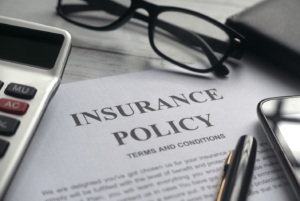
Don’t rush into purchasing a policy, read your documents thoroughly to understand what you are and aren’t covered for.
Tips for Avoiding Underinsurance for Commercial Properties
- Those with commercial properties should consider if they are VAT registered, as you may need to factor this into any expenses incurred from the rebuild of the property.
- The cost to re-build a property is likely more than market value, as you need to consider labour and site clearance costs.
- When taking out a new policy, consider how business interruption may be extended due to delays in re-build efforts and account for this in your initial assessment.
Tips for Avoiding Underinsurance for Domestic Properties
- Lower buildings and contents valuations may reduce initial costs, however this may result in the lever of cover not matching the extent of the damage and repairs required. Account for all costs in full on a ‘new for old’ basis where advised.
- As time goes on you may accumulate additional belongings. You will be required to update your policy to be updated to reflect this.
While these tips offer some initial guidance on what to be mindful of, your selected insurer’s recommended reading and policy guidance should determine how and what you choose to incorporate into your coverage.
If in any doubt, reach out to your insurer and request their guidance in writing. Maintaining a paper trail is crucial in safeguarding yourself against an unjust legal assessment.
When purchasing and updating a policy, it is crucial to ensure you take every step possible to prevent the repercussions of underinsurance. Read your policy documents and insurers resources in full and seek professional assistance when in doubt.
For those who already have a policy, now is a great time to evaluate your existing insurance coverage to guarantee that you are fully protected.