
Floods and Children – Navigating Emotional Impact
Fifty percent of young children develop Post-Traumatic Stress Disorder (PTSD) following a natural disaster, including floods. That percentage needs to be lowered.
Understanding Floods
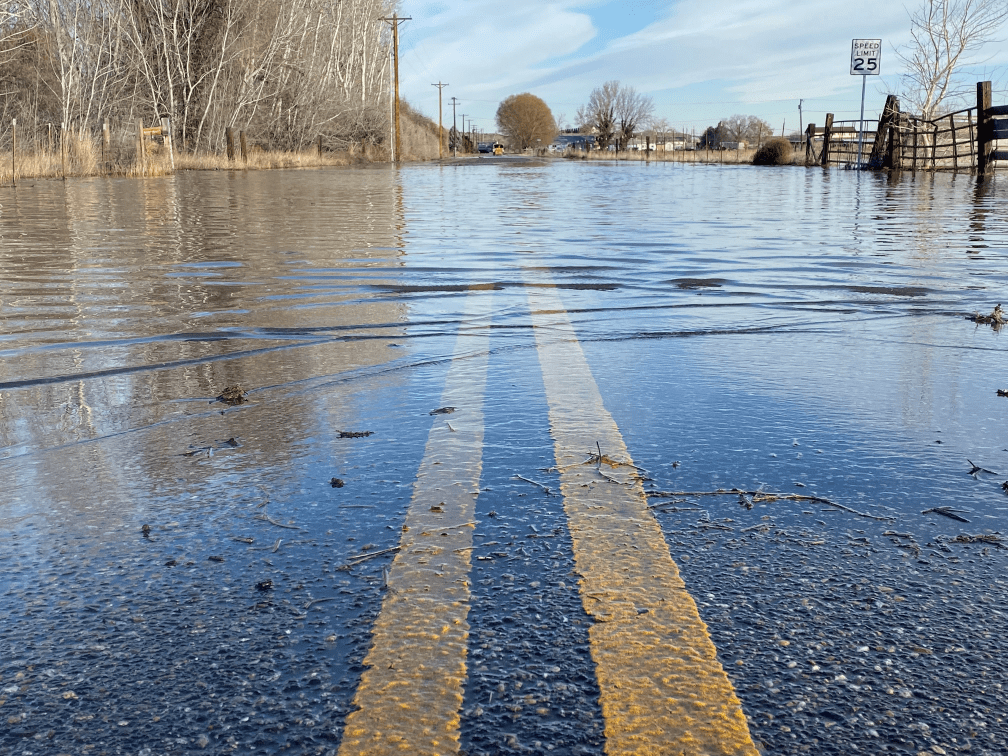
A flood is an overflow of water onto dry land. This can happen due to various reasons, including heavy rainfall or poor drainage systems. Floods can occur slowly over an extended period, such as river floods, or suddenly with little warning, also known as flash floods.
Floods can have severe consequences; destruction of property, leading to people re-locating from their homes and negative impacts on ecosystems.
Different types of floods may occur in various geographical regions and they can vary in scale from local flooding to large-scale disasters that affect entire regions or countries.
Overview on Children’s Vulnerability
Children’s mental health is exceptionally vulnerable in the context of a flood, due to the lack of information given to them during natural disasters, various other factors can cause this as well.
- The sudden upheaval and loss of stability, coupled with fear and anxiety that is triggered by the immediate danger and chaos of flooding.
- Displacement from homes, potential separation from caregivers, and the lack of control over their environment intensify feelings of vulnerability.
- Educational disruptions and limited access to support services, compound the challenges children face.
- Long-term trauma may result from witnessing devastation, further impacting their mental health.
Lancaster University wrote a report back in 2016 about children’s mental health after flooding and included a quote from a child they interviewed: “Adults need to know that children become more scared and worried when they do not know what is happening”.
Immediate Effects on Behaviour
The immediate impact of flooding on children’s behaviour is profound, encompassing a range of emotional and physical responses. The abrupt onset of floods induces fear and anxiety, heightened by the chaotic sounds of rushing water and emergency sirens, creating an overwhelming and disorientating environment for children.
The potential for family disruptions intensifies separation anxiety, fostering a deep-seated fear of isolation or loss. Sleep disturbances, regression in behaviour, and various expressive outlets, such as crying or withdrawal.
Understanding the immediate behavioural responses is crucial for families, teachers, and emergency responders.
Educational Disruptions
Floods disrupt children’s education through widespread school closures, often driven by safety concerns and infrastructure damage coupled with the loss of educational materials this interrupts students’ continuity of learning. The psychological impact of flooding may impede children’s concentration and engagement in educational activities.
Additionally, the displacement of teachers and school staff, limited access to technology, delayed academic progress, increased dropout rates, and challenges in providing specialised services contribute to the multifaced disruption of education.
In September 2023, Kenton Primary School in Devon was ruined by a heavy flood. It is currently going into repair of the whole school and students have been relocated to a local church.
The primary school have said that they doubt that they will reopen before September 2024. This will have an massive impact on the children’s education and experience.

Coping Strategies
In the aftermath of a flood, families can play a vital role in supporting their children’s mental health by:
- Actively listening to children’s concerns.
- Limiting exposure to distressing media content, which will contribute to a sense of security.
- Engaging in relaxation activities.
- Encouraging creative expression.
- Facilitating connections with others to promote emotional well-being.
- Monitoring physical health, seeking professional help if needed.
- Fostering a sense of control through decision-making empowering children to navigate the challenges of the post-flood environment.
- Embracing positivity and resilience helps to create an environment that holds hope and aids in the healing process.
Additional Support
If you are worried about your child, here is some services in the UK who are here for you:
- Family Lives – providing guidance and support on any aspect of parenting and family life. Helpline: 0808 800 2222
- Gingerbread – provides single parents advice and practical support. Helpline: 0808 802 0925
- YoungMinds for Parents – provides advice about mental health and behaviour problems in children. Helpline: 0808 802 554
If your home has been affected by flooding, please get in touch using our National Helpline: 01623 422 488